

Climate Action Strategy
Northumberland County is committed to taking coordinated action on climate change to protect our communities, environment, and future.
As the past decade has been the warmest on record and impact are already being felt locally, the County is advancing a comprehensive Climate Action Strategy to reduce emissions and build resilience.
Understanding climate change
Climate change refers to the long-term changes in temperature, precipitation, and weather patterns caused by the buildup on greenhouse gases in the atmosphere.
Human activities – especially the burning of coal, oil, and natural gas since the Industrial Revolution – have increased greenhouse gas emissions and accelerated this warming, leading to widespread impacts on people, infrastructure, and the natural environment.
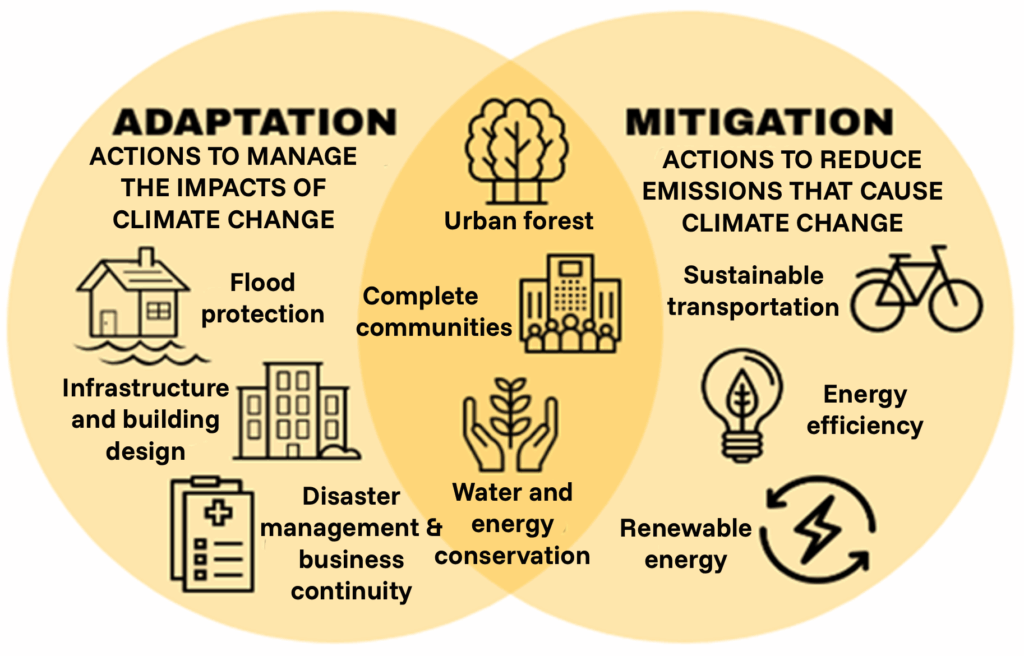
Climate action includes reducing greenhouse gas emissions (mitigation) and preparing for climate impacts (adaptation).

News & Updates

Sign up for our e-newsletter
Climate change in Northumberland
Climate change is already affecting Northumberland County in a variety of ways. The infographic below shows how the local climate is expected to change in the future and how these changes may impact our community.
Our strategy
Northumberland County has developed a Climate Action Strategy to respond to climate change by reducing greenhouse gas emissions from County operations and protecting our community, infrastructure, and ecosystems from climate risks.
Take action at home
You can take practical actions to reduce your environmental impact. Explore tips, programs, and funding opportunities to help you take action at home and in your community.
Follow us on Facebook for monthly climate action tips.
Energy efficiency
The energy used to heat and power homes, especially from fossil fuels, contributes to greenhouse gas emissions. Improving efficiency can reduce emissions, ease demand, and lower costs.
Enhancing our ecosystems
Supporting and expanding ecosystems helps protect biodiversity in Northumberland and provides important environmental benefits. Healthy ecosystems store carbon, reduce flood risk, improve water quality, and help reduce extreme heat.
Transportation
Transportation is a major source of greenhouse gas emissions, and changing how we travel is key to addressing climate change. Shifting to active transportation or electric vehicles can also improve air quality.
Waste
Reducing waste is an important part of climate action. When organic waste like food decomposes in landfills, it releases greenhouse gases. Managing, transporting and replacing products also creates emissions. Repairing and repurposing older objects helps reduce waste and environmental impact.
Water conservation
Reducing water use helps protect local water resources, particularly during droughts, and can lower household costs.
Working together
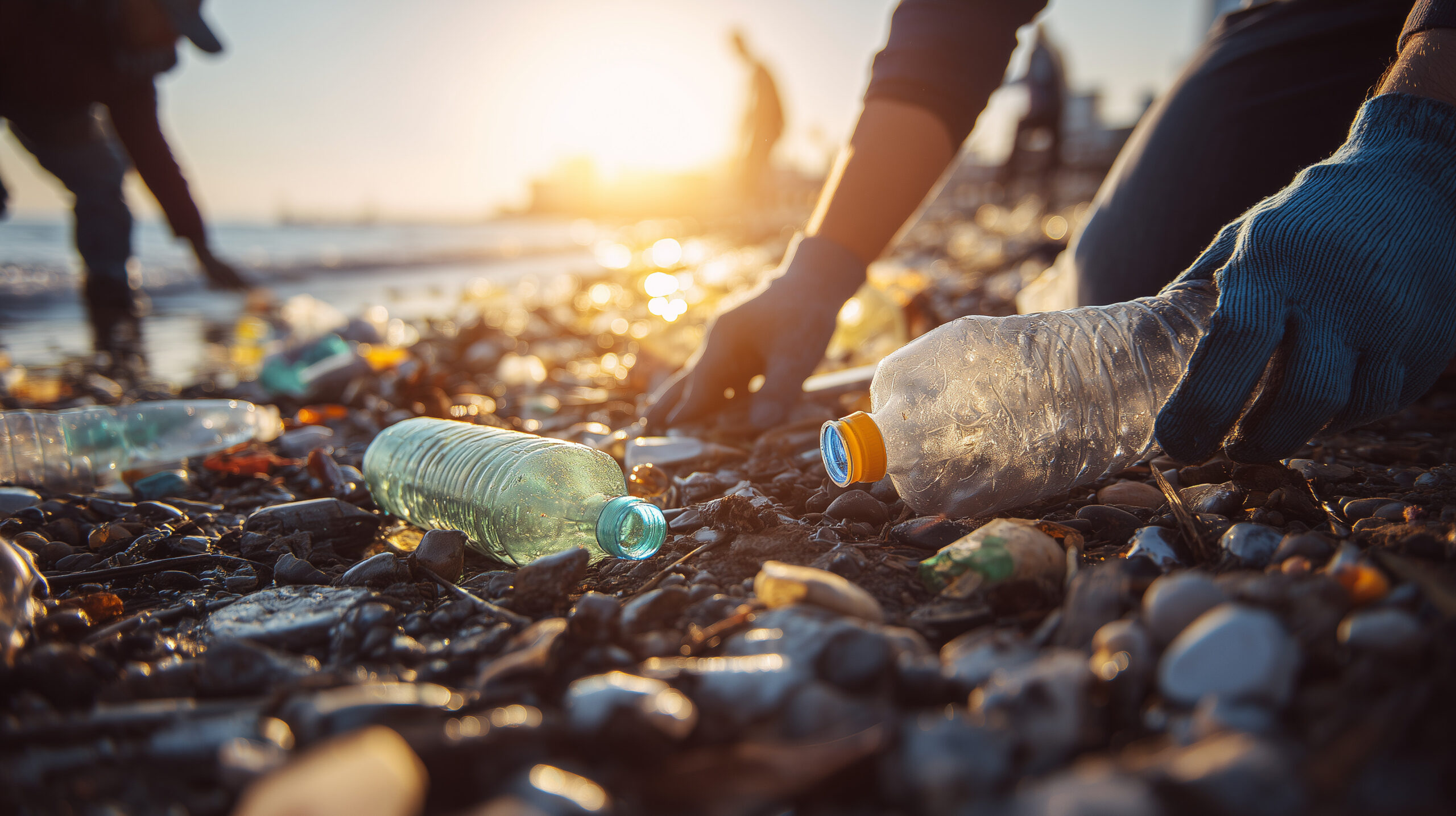
Caring for the environment and taking climate action are more effective when done collectively.
Working together with others helps amplify individual efforts and supports a more resilient community.

Preparing for climate-related emergencies
As we continue to feel the impacts of climate change, it’s important to be prepared for emergencies that arise due to extreme weather events.